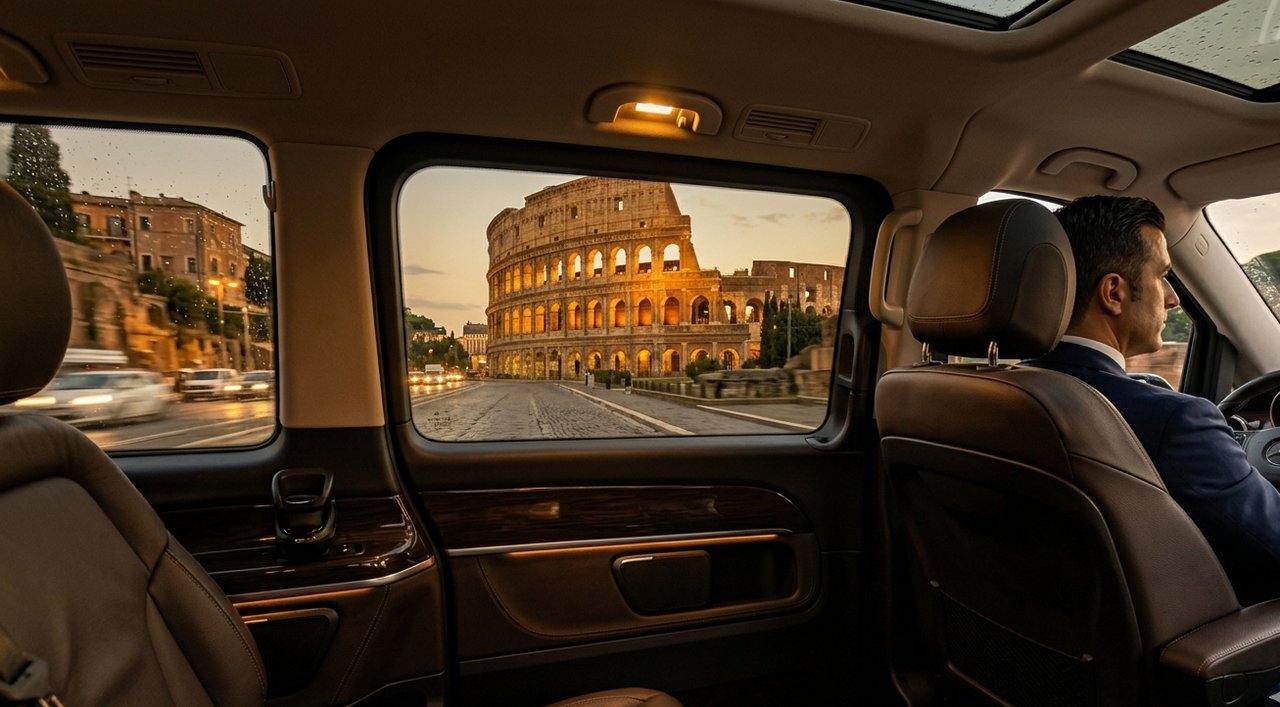
Shore Excursion — Etruria & Umbria
Civita, Orvieto & Lake Bolsena
- Duration
- 8h
- Distance
- ~250 km
- Vehicle
- Mercedes E / S / V-Class
The civita di bagnoregio tour from civitavecchia follows a geology rather than a guidebook. The road north from the port enters a landscape shaped by volcanic eruptions and millennia of erosion, a world of tufa cliffs and ravines and plateau-top villages that the Etruscans first settled three thousand years ago. At the end of a narrow pedestrian bridge, Civita di Bagnoregio rises on its crumbling promontory as it has since the Etruscan period — except that the promontory is smaller each decade, the tufa eaten away by rain and wind until the village earned its Italian epithet: la città che muore, the dying city.
The dying city tour cruise civitavecchia itinerary continues to Orvieto — perched on its own volcanic mesa, its cathedral blazing gold against the sky — before descending to Lake Bolsena for the afternoon. At 114 square kilometres, Bolsena is the largest volcanic lake in Europe, and its shores have barely changed since the medieval pilgrims on the Via Francigena stopped here to rest. Orvieto Classico vineyards line the slopes above the water; a lunch by the lake, with a glass of local white wine and the surface perfectly still around the two islands, is one of those intervals that refuses to be hurried.
Request a QuoteThree landscapes, one ancient geology
-
Civita di Bagnoregio — the dying city
Accessible only on foot across a 300-metre pedestrian bridge, Civita is one of the most dramatic inhabited places in Italy. A handful of permanent residents remain on a promontory that loses centimetres every year to erosion.
-
Orvieto — cathedral and underground
The Duomo di Orvieto is among the most ambitious Gothic facades in Italy. Beneath the city, a labyrinth of Etruscan and medieval tunnels has been carved into the volcanic tufa over two millennia — the underground tours are brief and extraordinary.
-
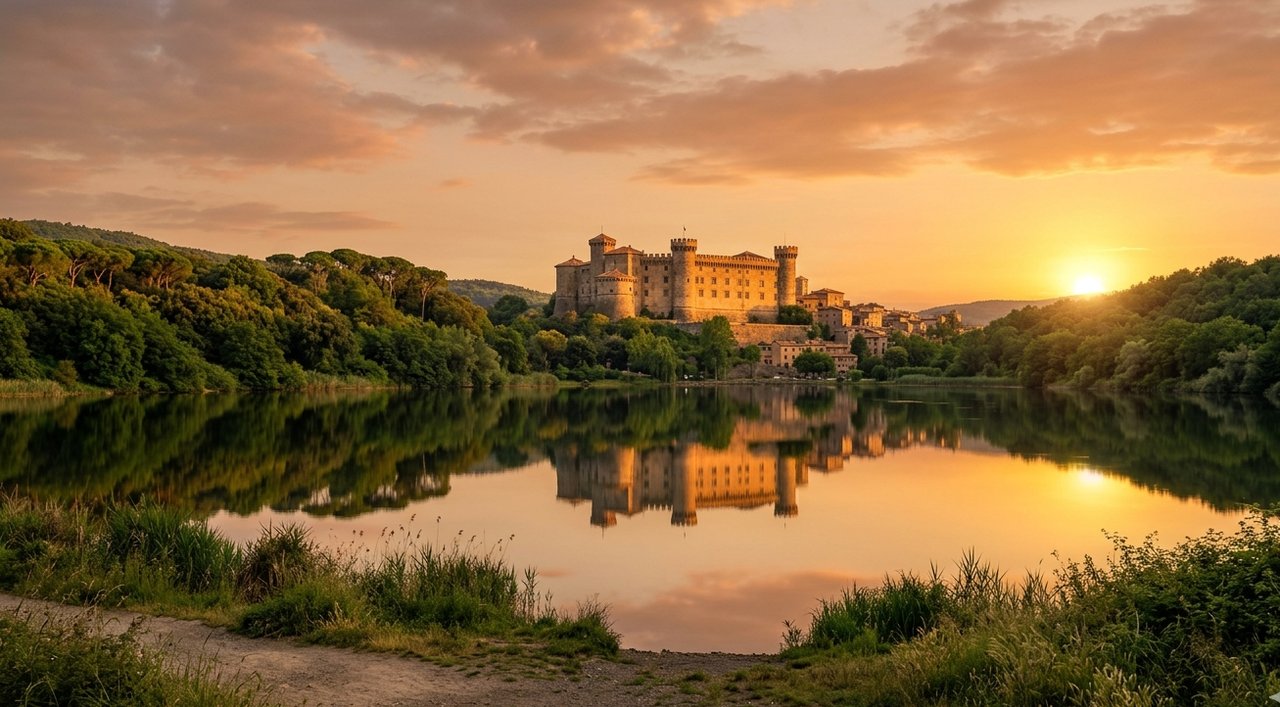
Lake Bolsena — volcanic and serene
The largest volcanic crater lake in Europe, surrounded by vineyards and medieval villages. Lunch here — freshwater fish, local Orvieto Classico, a table on the water — is among the quieter rewards of a day in northern Lazio.
Frequently Asked Questions
How long is the walk to Civita di Bagnoregio?
The pedestrian bridge is approximately 300 metres long and relatively level. The village itself involves some gradients on its medieval stone lanes, but it is compact. Most visitors with standard mobility find it very manageable in under an hour.
Is this itinerary suitable for guests with mobility difficulties?
We will always give you an honest answer. The bridge to Civita is flat but long; the village has uneven cobblestones and some steps. Orvieto has a funicular for those who prefer not to walk the hill. Please mention any requirements when you request your quote and we will advise accordingly.
Can I combine this tour with a wine tasting?
Yes — several cantinas around Lake Bolsena and on the Orvieto slopes offer private tastings of Orvieto Classico and other local whites. We are happy to arrange this in advance as part of your itinerary.
Other private tours
Plan your private tour
Tell us your date, group size and preferred destinations. Your all-inclusive quote arrives within hours.